Social tensions are rising as so-called heretical groups step up their recruitment near universities. How have these movements infiltrated people’s daily lives, and why do they still maintain such a strong influence?…….Ed
In Korean society, the word “heresy” is not just a theological concept, but a symbol of social stigma and fear. In particular, as several organizations, including Shincheonji, Christian Gospel Mission (commonly known as JMS), World Mission Society Church of God, and Family Federation for World Peace and Unification (commonly known as Tongilgyo), have been at the center of social issues in recent years, discussions on how to balance the boundaries between “orthodox” and “non-orthodox,” freedom of faith, and social responsibility are becoming increasingly important. Religious freedom is a fundamental right guaranteed by the Constitution, but the question of how far religion can be allowed to violate human rights or cause social damage is still controversial. The controversy related to heresy is not simply a “difference of faith,” but is expanding into a social issue that has a real impact on the safety of individual lives and communities.
Interview with Professor Sung Sin-hyung on the Concept of ‘Cults’ and Social Responsibility in Religion
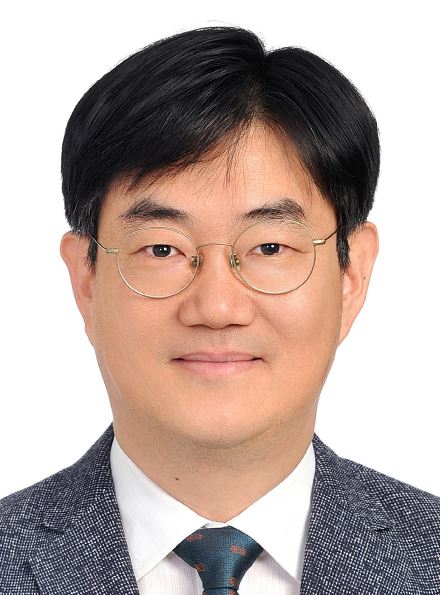
Professor Sung Sin-hyung of SSU’s Baird Liberal Arts Department, who has long conducted research on religion, stated that “Instead of using the term “cult,” more technical terms such as “socially high-risk religious group” or “legally deviant religious group” are needed.” He emphasized that “Society should approach the issue by focusing on specific actions in order to establish measures for punishing perpetrators and protecting victims.” The following is a list of interview questions for Professor Sung on this topic.
1. On Defining “Cults”
ST: Do you think the criteria used by major Korean denominations to define a group as a “cult” areobjective and consistent?
Prof. Sung: Each denomination has its own internal consistency in defining “cult,” but there is little compatibility between them. The traditional framework, which focuses primarily on doctrinal deviation, lacks sufficient standards in public areas such as human rights and safety. Moreover, the re-evaluation procedures are not transparent, and there is no verification process involving external experts.
ST: Controversies often arise over whether such definitions violate religious freedom. Do you think social consensus is possible in this area?
Prof. Sung: I believe it is possible. A key principle for reaching consensus without infringing on religious freedom is “the protection of public interest.” For example, society can agree to prohibit behaviors that violate social norms—such as violence, fraud, coercion, confinement, or forced discontinuation of medical treatment. Review committees should include experts not only in religion but also in law, medicine, and human rights, while ensuring transparency and a system for appeals.
ST: Critics say the term “cult” is unscientific and exclusionary. Should it continue to be used in legal or institutional discussions?
Prof. Sung: Rather than relying on traditional theological (or faith-based) categories, we need new classifications based on social norms and legal principles. Terms such as “socially high-risk religious group” or “legally deviant religious group” are more appropriate. We should focus on specific harmful behaviors to ensure punishment for perpetrators and protection for victims.
2. Social and Cultural Impacts
ST: What are the structural reasons that make young people vulnerable to closed religious groups?
Prof. Sung: Weak social networks, unstable housing and employment, and a lack of belonging make such groups particularly appealing. To address this, society should strengthen youth support systems—such as housing stability programs, psychological counseling, and peer community networks—and improve communication through social media platforms tailored to younger generations.
3. Critical and Alternative Perspectives
ST: Should society develop objective criteria—such as indicators of human rights violations or crime rates—rather than leaving “cult” definitions to religious denominations?
Prof. Sung: Yes. We must go beyond verifying theological orthodoxy and establish measurable indicators, including: (1) physical coercion or violence, (2) psychological manipulation, (3) financial exploitation, (4) restriction of freedom of movement, (5) violation of educational rights, (6) forced medical treatment discontinuation, (7) abuse of vulnerable groups (such as children or persons with disabilities), and (8) sexual harassment or assault. Such standards would allow society to classify and monitor high-risk groups more effectively.
ST: Can we expect religious organizations to reform themselves voluntarily, or is external regulation inevitable?
Prof. Sung: Autonomous reform through social openness is ideal, but difficult—since many pseudo-religious groups idealize isolation. External regulation, though potentially subject to abuse, is necessary within socially agreed boundaries. Realistic approaches would include: (1) whistleblower protection, (2) regular audits and certifications, and (3) a tiered system of administrative sanctions—all within an integrated governance framework.
ST: What should Soongsillian consider, from an academic and critical perspective, when discussing “cult awareness” and “sound religious values”?
Prof. Sung: In modern society, religion must preserve not only doctrinal identity but also social responsibility. Students should reflect on whether their chosen faith (1) values devotion while respecting others, (2) encourages open communication with the public, and (3) follows educational and digital literacy standards responsibly. In short, they must examine whether their religion practices a clear balance between religious freedom and social accountability.
Criticism, Not Hatred; Vigilance, Not Exclusion
Groups labeled as “socially dangerous religious organizations,” rather than simply “heretical sects,” are not merely religious others. They reveal structures that seek to dominate individuals in the name of faith. Society must therefore approach this issue not from a stance of condemnation or hatred, but through critical understanding and preventive awareness. Above all, what matters is not the standpoint of any particular denomination, but the establishment of a healthy religious culture grounded in human rights, freedom, and critical thinking.
Kim Min-ju (Planning Editor)
minjukim900@soongsil.ac.kr
Lee Eun-seo (News Editor)
les0404123@soongsil.ac.kr