While wine likely originated in Georgia around 3000–5000 BCE, it spread through ancient civilizations and reached Western Europe by the 1st century BCE, where it was introduced to the Gauls in France by the Roman Empire. By the early Middle Ages, monastic orders systematized wine production for ceremonies in regions such as Bourgogne, Champagne and Bordeaux. Favorable climates and welldrained soil supported this growth, while the Gauls’ invention of the “oak barrel” transformed wine storage and transport. If Georgia is the “birthplace” of wine, France made it “an industry and an art.” However, rising temperatures caused by global warming are now threatening even French wine, a symbol of “unchanging tradition,” prompting regions like Bourgogne and Bordeaux to seek new strategies to preserve their wine styles.
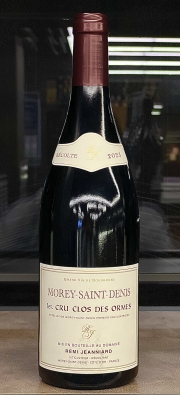
How to Read a Wine Label
1. Vintage: The year the grapes were harvested
2. Appellation/Region: The region where the grapes were grown
3. Wine Classification: Bourgogne wines range from Regional to Grand Cru classifications
4. Producer/Winery: The name of estate that made the wine
The Language of Wine: Tasting Notes
The taste of wine is described in terms of aroma, sweetness, acidity, tannins, body, and balance, all of which are related to the winemaking process. Aromas range from fruit to herbs, and beginners can first identify whether an aroma is fruity. Sweetness is determined by how much sugar remains after fermentation. Less residual sugar produces dry wine, while more sugar makes it sweet, like Moscato and Riesling. Acidity refers to sourness: it is higher in cooler growing regions and lower in warmer ones. Tannins are the astringent sensation that tightens the mouth: they come from the grape skins, seeds, and stems and are more pronounced in red wines. Body refers to the wine’s weight and is classified as light, medium, or full-bodied. Finally, balance refers to how harmoniously these elements come together.

Find out Your Testing Note!
Representative Wine Varieties
White wines include Sauvignon Blanc and Chardonnay. Sauvignon Blanc is primarily produced in Marlborough, New Zealand, and the Loire Valley in France. It is fermented in stainless steel to preserve fresh aromas and acidity. In contrast, Chardonnay is most notably produced in Bourgogne. It undergoes oak-barrel fermentation and malolactic fermentation, creating a soft, buttery flavor. Pinot Noir, a red wine, is mostly grown in Bourgogne. Brief skin contact gives it a light body and cherry-like aromas. Another red wine, Cabernet Franc, is produced in Loire and Bordeaux. Fermented with the skins, it has a medium body and notes of herbs and pepper. Champagne, the quintessential sparkling wine, is made by adding sugar and yeast to wines produced from varieties such as Chardonnay and Pinot Noir, then undergoing a second fermentation in the bottle to develop carbonation and a toasty aroma.
Wine Transformed by Climate Change
Global average temperatures have risen by about 1.5℃ over the past 50 years. This temperature increase is altering the terroir—the term used to describe all the natural elements that influence grape cultivation—and as a result, the traditional flavors of wine are gradually changing. Climate change accelerates grape ripening and increases alcohol levels in wine. Bordeaux, a premier wine region, has also been unable to escape the effects of climate change. Since Sauvignon Blanc ripens earlier than before, this is expected to bring changes to white wine blending. These changes were also influenced by factors such as reduction in vineyard area, powdery mildew, Coulure (a condition that impairs pollination), and frost damage, contributing to higher wine prices.
The Return of Bordeaux Claret
In response to these changes, Bordeaux has officially acknowledged “Bordeaux Claret,” a style of red wine characterized by lightness and freshness. The president of the Bordeaux Wine Council viewed these changes and the growing preference for lighter wines as a positive challenge. By reviving the old term, this style may appeal to modern wine lovers.
June’s Wine: Light Claret
Claret is a fruity wine that can generally be enjoyed at a low temperature of 8–12℃, making it suitable for everyday enjoyment rather than just with a meal. Claret is ideal for summer nights.
Seo Jun-hee(PR Editor)
20231933@soongsil.ac.kr
Lee Youn-jae(ST Cub-Reporter)
youn06@soongsil.ac.kr